

Pet cargo transport vs. accompanied travel key differences for pet air travel

When it comes to pet air travel, there are two main ways to transport your pet: pet cargo transport (also known as cargo shipment) and accompanied pet travel, where the pet travels as part of the passenger’s baggage. This guide explains the key differences, requirements, and factors to consider when choosing the best option for your dog or cat with Animal Cargo.
What is pet cargo transport?
Pet cargo transport involves your pet traveling alone, without an accompanying passenger. For international trips, this is legally considered an export from one country and an import into another, requiring compliance with customs and health regulations. This method involves more planning and complex documentation, including health certificates, entry permits, and often the involvement of customs agents.
Pet cargo transport is common for logistical reasons, international relocations, or when the destination country’s regulations require it. It’s also used for domestic travel when accompanied travel isn’t possible or when specific conditions apply.
What is accompanied pet travel (baggage regime)?
Accompanied pet travel occurs when your pet travels on the same flight as you. There are two options:
- In-cabin travel: Allowed for small dogs and cats (typically up to 17.6 lbs/8 kg, including the carrier, depending on the airline). The pet must remain in an approved IATA pet carrier throughout the flight.
- Checked baggage (hold): For pets exceeding cabin size or weight limits, they travel in a pressurized, climate-controlled hold in an IATA pet carrier.
Like cargo transport, accompanied pet travel can apply to domestic flights, depending on airline availability and the pet’s characteristics.
Traveling in the hold: does the regime matter?
Whether your pet travels in the hold via pet cargo transport or as checked baggage, the hold is the same: a secure, pressurized, and temperature-controlled area designed for animal transport. The physical travel experience for your pet doesn’t vary by regime, but documentation, customs procedures, and logistics before and after the flight differ significantly.
The importance of carrier acclimation
For both pet cargo transport and accompanied pet travel, if your pet travels in the hold, acclimating them to their IATA pet carrier is essential. At Animal Cargo, we recommend starting this process at least two months in advance to reduce stress and ensure your pet feels secure. Learn more in our detailed guide: How to acclimate your pet to a carrier for air travel.
Which option is best for your pet?
Choosing between pet cargo transport and accompanied pet travel depends on several factors:
- Destination regulations: Some countries have strict import rules requiring cargo transport.
- Transit countries: Layover countries may require specific health documentation.
- Pet’s size, age, and health: Larger or sensitive pets may need special considerations.
- Owner’s travel plans: Can you travel with your pet on the same flight?
- Airline policies: Not all airlines allow pets in-cabin or as cargo.
- Domestic vs. international travel: Requirements vary by trip type.
Certain pets may face restrictions under specific regimes due to:
- Brachycephalic breeds: Flat-faced dogs and cats may be restricted by airlines.
- Dangerous breeds: Some breeds are classified as restricted by airlines or countries.
- Physical alterations: Pets with cropped ears or tails may need special permits.
- Extreme weather: Temperature conditions at departure or arrival may limit travel.
Animal Cargo: your partner in pet relocation
At Animal Cargo, we specialize in domestic and international pet travel, offering personalized guidance to choose the safest and most suitable option for your dog or cat. Whether you need pet cargo transport or accompanied pet travel, we’ll support you every step of the way.
Ready to plan your pet’s journey? Contact us today to discuss your needs and ensure a stress-free pet air travel experience.
Recent Notes

Tips for traveling with your dog to Europe. How to choose the right airline for entering the European Union
The ultimate guide on how to choose the right airline for entry into the European Union.

Is it safe to sedate pets for travel? Why is it contraindicated?
An animal that travels lucidly has the reflexes and muscle strength necessary to cushion the movement and maintain balance.

Air travel for large breed dogs: adaptation and tips.
For owners of large dogs—such as Labrador, Golden Retriever, or German Shepherd—the idea of their pet traveling in the cargo hold of an airplane is often one of the biggest sources of anxiety.

Meet Veterinarian Matías Moguilner, the backer of Animal Cargo
Are you concerned about your pet’s well-being for your upcoming trip? We know that your best friend’s safety is your top priority. That’s why, at Animal Cargo, professional support isn’t just a detail; it’s the foundation of everything we do.

Can my dog travel in the airplane cabin or does it have to go in the cargo hold?
This is one of the most anxiety-inducing questions when planning a flight. The short answer is: it depends on the airline, the destination, and, of course, your pet’s characteristics.

Milei’s dogs from the USA. How did we bring them here?
The story of the transfer of the dogs of, at that time, a media-savvy and exotic Javier Milei.

How much does it cost to transport a pet by plane?
Every pet relocation is a unique project. To give you an accurate quote, we analyze your destination, the size of your pet, and the type of travel.

SENASA requirements guide for the international transport of pets
At Animal Cargo, we handle these procedures daily and know that technical precision is the only way to guarantee that the transfer will be carried out without any problems.

If your pet is traveling in the cabin: choose the perfect bag with Animal Box
The secret behind the perfect pet carrier for your pet's air travel.If you are...
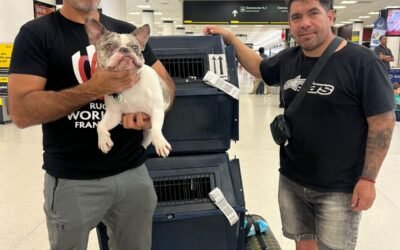
What is the accompanied pet transport service by plane like?
What is the service like for accompanied pets on airplanes?

What is the assisted travel service like when flying with your pet?
Step by step: how we help you prepare for the big trip whith your pet.

The secret behind the perfect pet carrier for your pet’s air travel.
The secret behind the perfect pet carrier for your pet's air travel.A trip without...

Behind the goals: The pet transport service chosen by soccer stars
Behind the goals: The pet transport service chosen by soccer starsIn the world of...

Vilma the Goat’s Solidarity Trip
Vilma the Goat's Solidarity TripAt Animal Bus, we know that every trip is more than...
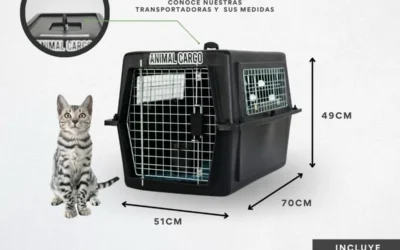
Animal Box 200 pet carrier for cats
Animal Box 200 pet carrier for catsThe safe choice for air travel Planning...
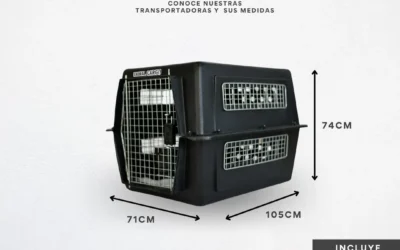
Special pet carriers for brachycephalic breeds
Special pet carriers for brachycephalic breedsAt Animal Cargo, we design and...

Preparing your pet for air travel with proper carrier acclimation
Preparing your pet for air travel with proper carrier acclimationTraveling with...

Feline pheromones: a helpful ally for a stress-free journey
Feline pheromones: a helpful ally for a stress-free journeyTraveling with cats can...

Complete Guide to Getting Your Cat Used to the Carrier Before Traveling
Complete guide to getting your cat used to the carrier before travelingPreparing a...
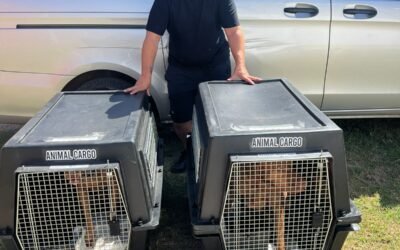
How to Choose the Ideal Carrier for Your Pet
How to Choose the Ideal Carrier for Your PetChoosing the right carrier for your pet...

Why Sedation Is Not Recommended for Pets During Air Travel
Why Sedation Is Not Recommended for Pets During Air TravelSedating pets before a...

Risks to Assess When Transporting Pets: A Complete Guide for Owners
Risks to Assess When Transporting Pets: A Complete Guide for OwnersTransporting...
From Arrival at the Airport to Takeoff: What Is the Boarding Process for an Animal on a Cargo Flight?
From Arrival at the Airport to Takeoff: What Is the Boarding Process for an Animal...
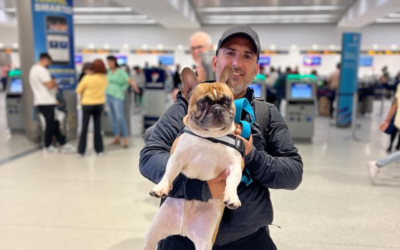
Traveling with Brachycephalic Dog Breeds: Precautions and Recommendations
Traveling with Brachycephalic Dog Breeds: Precautions and RecommendationsSafe Air...

Pet passport: what is it, in which countries is it used, and how to obtain it?
Pet passport: what is it, in which countries is it used, and how to obtain it?Pet...