

Risks to Assess When Transporting Pets: A Complete Guide for Owners
Transporting pets, whether by road or air, involves risks that owners must carefully evaluate. As pet transport experts, we ensure professional handling, but some risks are inherent to travel. This guide outlines the main risks of transporting dogs and cats, factors to consider, and how to make the best decision for your pet’s well-being.
1. Risks Related to Staff Handling
Improper handling by staff can lead to risky situations during pet transportation:
- Escape and loss: A lapse during loading or unloading could allow your pet to escape, potentially leading to loss or serious accidents. Ensure the transport service employs staff trained in safe animal handling.
- Injuries during crate handling: Incorrectly placing or removing a pet from a crate can cause injuries, such as bumps or falls. Confirm that the team is experienced in these tasks.
Tip: Choose pet transport services with certifications in animal handling to reduce these risks.
2. Risks During Transportation
The journey itself poses challenges that can impact your pet’s health and safety:
- Injuries from escape attempts: Anxious or stressed pets may try to break out of their crate, leading to broken teeth, cuts, torn nails, or paw injuries.
- Injuries from vehicle movements: Sudden stops or sharp turns can cause falls inside the crate, resulting in bruises or injuries.
- Pressure sores: Prolonged contact with hard surfaces can irritate or injure the skin, especially in sensitive breeds.
- Motion sickness and vomiting: Long trips can cause motion sickness, leading to vomiting and dehydration in dogs and cats.
- Heatstroke: High temperatures, particularly in road transport, can be dangerous, especially for brachycephalic breeds like bulldogs or pugs.
- Hot spots: Skin areas irritated by heat or friction may develop during extended travel.
Recommendation: Select a crate suitable for your pet’s size and ensure the transport vehicle has proper ventilation and temperature control.
3. Post-Transport Risks
After the journey, your pet may experience side effects:
- Disorientation and behavioral changes: Pets may show signs of depression, lethargy, or confusion after transport. Some may take time to recognize their owners or adjust to a new environment.
- Swelling and coordination issues: Prolonged immobility can cause swollen legs, difficulty walking, or temporary paralysis.
- Gastrointestinal issues: Vomiting, diarrhea, dehydration, or loss of appetite are common after a stressful trip.
Solution: Monitor your pet closely in the days following travel and consult a veterinarian if you notice concerning symptoms.
4. Individual Risk Factors
Every pet is unique, and certain factors can increase transportation risks:
- Age: Puppies under 4 months (without complete vaccinations) and senior pets (giant breeds >6 years, large breeds >8 years, medium/small breeds >10 years) are more vulnerable.
- Weight: Overweight or underweight pets face additional physical challenges.
- Breed: Brachycephalic breeds (pugs, bulldogs) are prone to breathing issues and heatstroke. Giant breeds share these risks, while toy breeds may experience hypoglycemia.
- Temperament: Anxious, nervous, or aggressive pets may find travel more stressful.
- Pre-existing conditions: Medical issues like epilepsy or heart problems require special attention.
- Medications: Consider whether travel will disrupt essential treatments.
Key fact: Consult your veterinarian for a health certificate before travel.
5. Assessing Travel Compatibility for Your Pet
Before deciding to transport your pet, evaluate these factors:
a. Type of Travel
- Mode of transport: Air travel is often faster and less stressful than road travel.
- Duration: Long trips increase stress and complication risks.
- Temperatures: Avoid travel in extreme weather, especially for heat-sensitive breeds.
- Crate: Ensure the crate is appropriately sized, comfortable, and secure.
- Environment: Noises, smells, strangers, or other animals can cause anxiety.
b. Pet Health
A veterinarian should confirm your pet is fit to travel:
- Health certificate.
- Free of contagious diseases.
- Up-to-date vaccinations and deworming.
- Plan for managing medications during travel.
c. Owner’s Assessment
As the owner, you know your pet best. Ask yourself:
- Is the trip absolutely necessary?
- Can your pet handle the chosen mode of transport?
- Is your pet’s temperament and emotional state suited for the trip?
Tip: If the trip isn’t essential, consider alternatives like leaving your pet with a trusted caregiver.
For more advice you can schedule a video call with us here.
Your Decision Matters
Transporting pets involves risks, but careful evaluation and proper precautions can minimize them. As an owner, your understanding of your pet’s needs and temperament is crucial in deciding if travel is safe and necessary. If you proceed, choose specialized pet transport services and consult your veterinarian to ensure your pet’s well-being.

Recent Notes

Tips for traveling with your dog to Europe. How to choose the right airline for entering the European Union
The ultimate guide on how to choose the right airline for entry into the European Union.

Is it safe to sedate pets for travel? Why is it contraindicated?
An animal that travels lucidly has the reflexes and muscle strength necessary to cushion the movement and maintain balance.

Air travel for large breed dogs: adaptation and tips.
For owners of large dogs—such as Labrador, Golden Retriever, or German Shepherd—the idea of their pet traveling in the cargo hold of an airplane is often one of the biggest sources of anxiety.
Meet Veterinarian Matías Moguilner, the backer of Animal Cargo
Are you concerned about your pet’s well-being for your upcoming trip? We know that your best friend’s safety is your top priority. That’s why, at Animal Cargo, professional support isn’t just a detail; it’s the foundation of everything we do.

Can my dog travel in the airplane cabin or does it have to go in the cargo hold?
This is one of the most anxiety-inducing questions when planning a flight. The short answer is: it depends on the airline, the destination, and, of course, your pet’s characteristics.

Milei’s dogs from the USA. How did we bring them here?
The story of the transfer of the dogs of, at that time, a media-savvy and exotic Javier Milei.

How much does it cost to transport a pet by plane?
Every pet relocation is a unique project. To give you an accurate quote, we analyze your destination, the size of your pet, and the type of travel.

SENASA requirements guide for the international transport of pets
At Animal Cargo, we handle these procedures daily and know that technical precision is the only way to guarantee that the transfer will be carried out without any problems.

If your pet is traveling in the cabin: choose the perfect bag with Animal Box
The secret behind the perfect pet carrier for your pet's air travel.If you are...

What is the accompanied pet transport service by plane like?
What is the service like for accompanied pets on airplanes?

What is the assisted travel service like when flying with your pet?
Step by step: how we help you prepare for the big trip whith your pet.

The secret behind the perfect pet carrier for your pet’s air travel.
The secret behind the perfect pet carrier for your pet's air travel.A trip without...

Behind the goals: The pet transport service chosen by soccer stars
Behind the goals: The pet transport service chosen by soccer starsIn the world of...

Vilma the Goat’s Solidarity Trip
Vilma the Goat's Solidarity TripAt Animal Bus, we know that every trip is more than...

Pet cargo transport vs. accompanied travel: key differences for pet air travel
Pet cargo transport vs. accompanied travel key differences for pet air travelWhen...
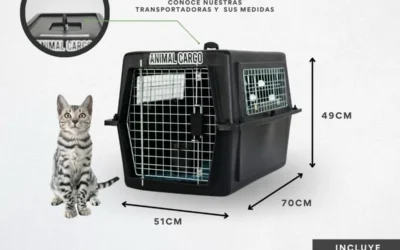
Animal Box 200 pet carrier for cats
Animal Box 200 pet carrier for catsThe safe choice for air travel Planning...
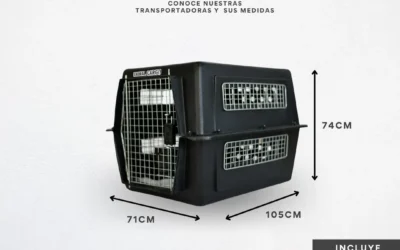
Special pet carriers for brachycephalic breeds
Special pet carriers for brachycephalic breedsAt Animal Cargo, we design and...

Preparing your pet for air travel with proper carrier acclimation
Preparing your pet for air travel with proper carrier acclimationTraveling with...

Feline pheromones: a helpful ally for a stress-free journey
Feline pheromones: a helpful ally for a stress-free journeyTraveling with cats can...

Complete Guide to Getting Your Cat Used to the Carrier Before Traveling
Complete guide to getting your cat used to the carrier before travelingPreparing a...
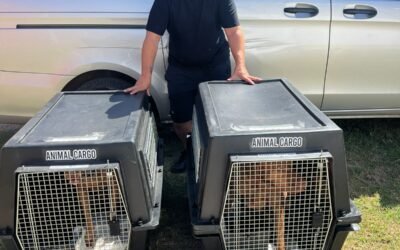
How to Choose the Ideal Carrier for Your Pet
How to Choose the Ideal Carrier for Your PetChoosing the right carrier for your pet...

Why Sedation Is Not Recommended for Pets During Air Travel
Why Sedation Is Not Recommended for Pets During Air TravelSedating pets before a...
From Arrival at the Airport to Takeoff: What Is the Boarding Process for an Animal on a Cargo Flight?
From Arrival at the Airport to Takeoff: What Is the Boarding Process for an Animal...
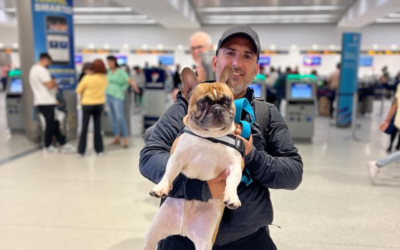
Traveling with Brachycephalic Dog Breeds: Precautions and Recommendations
Traveling with Brachycephalic Dog Breeds: Precautions and RecommendationsSafe Air...

Pet passport: what is it, in which countries is it used, and how to obtain it?
Pet passport: what is it, in which countries is it used, and how to obtain it?Pet...