

Why Sedation Is Not Recommended for Pets During Air Travel
Sedating pets before a flight carries significant risks and is not recommended by the IATA (International Air Transport Association) or pet transport experts. While sedatives may seem like a way to calm dogs and cats, they impair their ability to respond to stress and can jeopardize their health. This guide explains why you should avoid sedation for air travel and offers safe alternatives to ensure a stress-free flight for your pet.
1. Effects on the Nervous and Cardiovascular Systems
Sedatives depress the central nervous system, causing drowsiness, disorientation, or even loss of consciousness in pets. They also affect the cardiovascular system, lowering blood pressure and complicating breathing.
During a flight, pets are exposed to changes in oxygen levels and pressure in a pressurized cabin. Combining these conditions with a sedative increases the risk of serious complications, such as respiratory distress or, in extreme cases, death.
Key fact: Brachycephalic breeds (e.g., bulldogs, pugs) are particularly vulnerable due to their natural breathing difficulties.
2. Unpredictable Reactions to Sedatives
Not all pets react the same way to tranquilizers. Some may become overly lethargic, while others experience the opposite effect, showing anxiety, agitation, or confusion.
For example, a dog with no prior exposure to sedatives might lose balance, become disoriented inside the carrier, or panic, which heightens stress instead of reducing it.
Tip: Consult your veterinarian about your pet’s medical history before considering any travel-related medication.
3. Reduced Ability to Respond
During air travel, pets need to adapt to their surroundings, adjust their posture, and regulate their body temperature. Sedation limits these abilities, increasing the risk of issues like:
- Difficulty moving: A sedated cat, for instance, might remain in an awkward position that restricts breathing.
- Instability in the carrier: Inability to stay steady during turbulence can lead to injuries.
- Thermoregulation problems: Sedatives can hinder a pet’s ability to control body temperature.
Recommendation: Use an IATA-approved carrier with enough space for your pet to move comfortably.
4. Safe Alternatives to Reduce Stress
Instead of sedating your pet, try these safe and effective alternatives to minimize anxiety during air travel:
- Carrier training: Familiarize your pet with the travel carrier weeks before the flight, allowing them to explore it and associate it with positive experiences.
- Pre-flight exercise: A long walk or play session before the flight helps your dog or cat burn energy and relax.
- Pheromones and aromatherapy: Products like pheromone diffusers (e.g., Feliway for cats or Adaptil for dogs) create a calming environment.
- Familiar items: Include a blanket or toy with the scent of home to provide comfort.
- Natural supplements: Ask your veterinarian about non-sedative options, such as valerian or L-theanine, which reduce anxiety without risks.
Tip: Choose airline-approved carriers and review the airline’s pet travel policies in advance.
Check out our conveyors in our store.
Conclusion
Sedating a pet for air travel may seem like a quick fix for stress, but the health risks are too high. Airlines, veterinarians, and international pet transport experts discourage this practice, and many prohibit it for safety reasons.
To ensure a safe and calm flight, prepare your pet in advance, select an appropriate carrier, and use natural alternatives to reduce stress. With proper planning, your dog or cat can travel comfortably and safely without sedatives.
For more advice you can schedule a video call with us here.
Recent Notes

If your pet is traveling in the cabin: choose the perfect bag with Animal Box
The secret behind the perfect pet carrier for your pet's air travel.If you are...
What is the accompanied pet transport service by plane like?
The secret behind the perfect pet carrier for your pet's air travel.At Animal...

What is the assisted travel service like when flying with your pet?
The secret behind the perfect pet carrier for your pet's air travel.Step by step:...

The secret behind the perfect pet carrier for your pet’s air travel.
The secret behind the perfect pet carrier for your pet's air travel.A trip without...

Behind the goals: The pet transport service chosen by soccer stars
Behind the goals: The pet transport service chosen by soccer starsIn the world of...

Vilma the Goat’s Solidarity Trip
Vilma the Goat's Solidarity TripAt Animal Bus, we know that every trip is more than...
Pet cargo transport vs. accompanied travel: key differences for pet air travel
Pet cargo transport vs. accompanied travel key differences for pet air travelWhen...
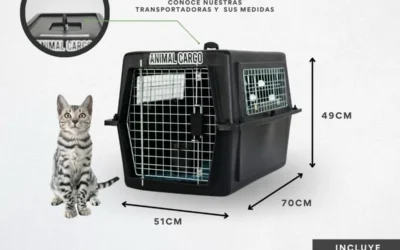
Animal Box 200 pet carrier for cats
Animal Box 200 pet carrier for catsThe safe choice for air travel Planning...
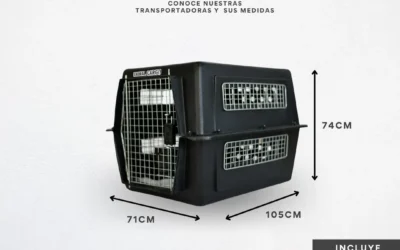
Special pet carriers for brachycephalic breeds
Special pet carriers for brachycephalic breedsAt Animal Cargo, we design and...
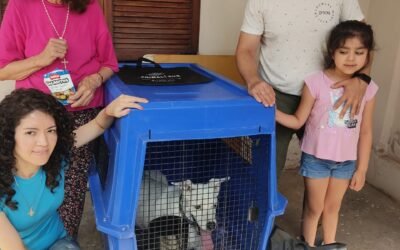
Preparing your pet for air travel with proper carrier acclimation
Preparing your pet for air travel with proper carrier acclimationTraveling with...

Feline pheromones: a helpful ally for a stress-free journey
Feline pheromones: a helpful ally for a stress-free journeyTraveling with cats can...

Complete Guide to Getting Your Cat Used to the Carrier Before Traveling
Complete guide to getting your cat used to the carrier before travelingPreparing a...
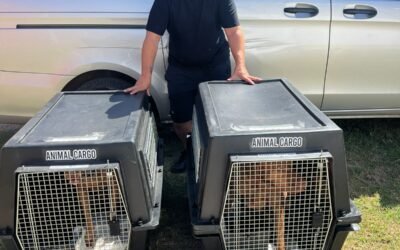
How to Choose the Ideal Carrier for Your Pet
How to Choose the Ideal Carrier for Your PetChoosing the right carrier for your pet...

Risks to Assess When Transporting Pets: A Complete Guide for Owners
Risks to Assess When Transporting Pets: A Complete Guide for OwnersTransporting...
From Arrival at the Airport to Takeoff: What Is the Boarding Process for an Animal on a Cargo Flight?
From Arrival at the Airport to Takeoff: What Is the Boarding Process for an Animal...
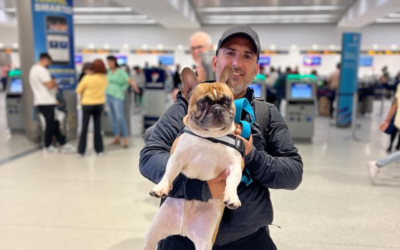
Traveling with Brachycephalic Dog Breeds: Precautions and Recommendations
Traveling with Brachycephalic Dog Breeds: Precautions and RecommendationsSafe Air...

Pet passport: what is it, in which countries is it used, and how to obtain it?
Pet passport: what is it, in which countries is it used, and how to obtain it?Pet...
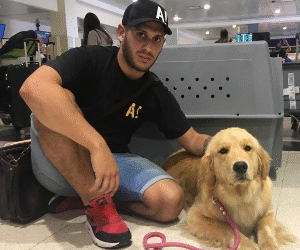
Marly crossed borders with Animal Cargo
Marly crossed borders with Animal CargoWhen a pet travels, their well-being is the...

Essential Tips for Traveling with Your Pet by Car
Essential Tips for Traveling with Your Pet by CarRaveling with our pets can be an...
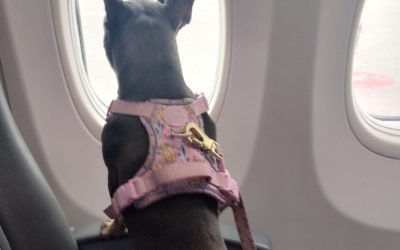
Feeding and Care During Air Travel with Your Pet
Feeding and Care During Air Travel with Your PetEnsuring that your pets are...

New Pet-Friendly Area at Aeroparque
New Pet-Friendly Area at AeroparqueNow your furry friends can enjoy the airport...
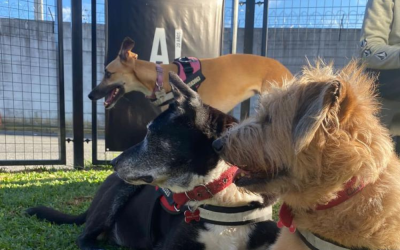
New Pet-Friendly Area at Ezeiza Airport
New Pet-Friendly Area at Ezeiza AirportOur airport now features two exclusive areas...