

Traveling with Brachycephalic Dog Breeds: Precautions and Recommendations
Safe Air Travel for Brachycephalic Dogs: Essential Guidelines
Brachycephalic dog breeds, such as bulldogs, pugs, boxers, shih tzus, and some varieties of Pekingese, have anatomical characteristics that can make traveling, especially by air, a risk to their health. Their short snouts and narrow airways can make it difficult for them to regulate their temperature and breathe properly, requiring special preparation for safe transport.
Specific Risks for Brachycephalic Dogs During Travel
These dogs may experience breathing problems due to their cranial structure. During a flight, changes in pressure, inadequate ventilation, and stress can worsen these conditions. Some of the main risks include:
Breathing difficulties
Due to their narrower airways, they may suffer from respiratory failure under stress or heat.
Heatstroke
Their inability to regulate temperature makes them more prone to overheating.
Stress and anxiety
These breeds are more likely to experience stress in unfamiliar environments, which can affect their overall well-being.
Airline Policies in Argentina
Aerolíneas Argentinas
- Cabin transport: Allowed if requirements are met
- Cargo hold: Not permitted as accompanied baggage
- Cargo transport: Available through Aerolíneas Cargo with restrictions
Flybondi
- Cabin only: Flexible carriers under 10kg total weight
- No breed restrictions: But must meet size requirements
LATAM Airlines
- Cabin prohibited: Due to health risks
- Cargo hold prohibited: For all brachycephalic breeds
Safety Measures for Travel
Essential Precautions
- Choose cabin travel when possible
- Use USDA-approved ventilated crates
- Avoid travel during peak heat hours
- Obtain veterinary clearance 10 days before flight
- Provide water up to 2 hours before departure
- Use anxiety-reducing aids (Thundershirt®, Adaptil®)
Alternative Transport Options
When Air Travel Isn’t Safe
- Professional ground transport: Climate-controlled vehicles with pet specialists
- Private charters: Customizable cabin conditions
- Ferry services: For coastal destinations with pet facilities
Conclusion
Transporting brachycephalic dogs requires careful risk assessment and special arrangements. Key considerations include:
- Airline breed restrictions and policies
- Proper crate specifications
- Time of travel and temperature control
- Veterinary preparation
For personalized travel planning for your flat-faced companion, consult Animal Cargo’s pet relocation specialists who understand the unique needs of brachycephalic breeds.
Recent Notes

If your pet is traveling in the cabin: choose the perfect bag with Animal Box
The secret behind the perfect pet carrier for your pet's air travel.If you are...
What is the accompanied pet transport service by plane like?
The secret behind the perfect pet carrier for your pet's air travel.At Animal...

What is the assisted travel service like when flying with your pet?
The secret behind the perfect pet carrier for your pet's air travel.Step by step:...
The secret behind the perfect pet carrier for your pet’s air travel.
The secret behind the perfect pet carrier for your pet's air travel.A trip without...

Behind the goals: The pet transport service chosen by soccer stars
Behind the goals: The pet transport service chosen by soccer starsIn the world of...
Vilma the Goat’s Solidarity Trip
Vilma the Goat's Solidarity TripAt Animal Bus, we know that every trip is more than...

Pet cargo transport vs. accompanied travel: key differences for pet air travel
Pet cargo transport vs. accompanied travel key differences for pet air travelWhen...
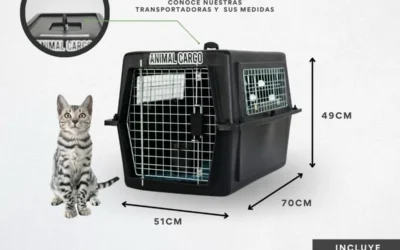
Animal Box 200 pet carrier for cats
Animal Box 200 pet carrier for catsThe safe choice for air travel Planning...
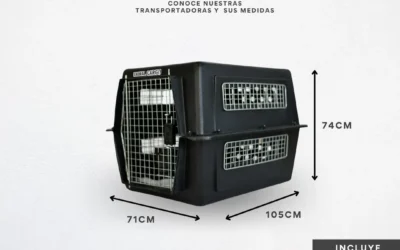
Special pet carriers for brachycephalic breeds
Special pet carriers for brachycephalic breedsAt Animal Cargo, we design and...
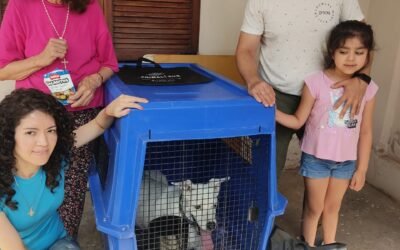
Preparing your pet for air travel with proper carrier acclimation
Preparing your pet for air travel with proper carrier acclimationTraveling with...

Feline pheromones: a helpful ally for a stress-free journey
Feline pheromones: a helpful ally for a stress-free journeyTraveling with cats can...

Complete Guide to Getting Your Cat Used to the Carrier Before Traveling
Complete guide to getting your cat used to the carrier before travelingPreparing a...
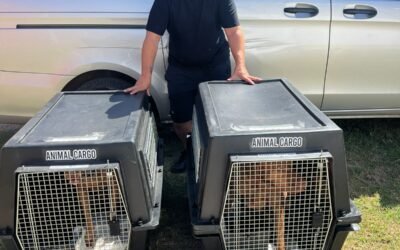
How to Choose the Ideal Carrier for Your Pet
How to Choose the Ideal Carrier for Your PetChoosing the right carrier for your pet...
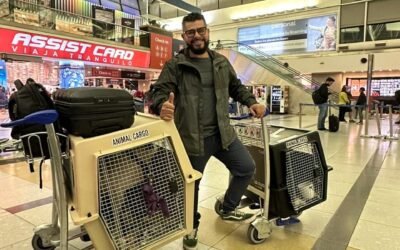
Why Sedation Is Not Recommended for Pets During Air Travel
Why Sedation Is Not Recommended for Pets During Air TravelSedating pets before a...

Risks to Assess When Transporting Pets: A Complete Guide for Owners
Risks to Assess When Transporting Pets: A Complete Guide for OwnersTransporting...
From Arrival at the Airport to Takeoff: What Is the Boarding Process for an Animal on a Cargo Flight?
From Arrival at the Airport to Takeoff: What Is the Boarding Process for an Animal...

Pet passport: what is it, in which countries is it used, and how to obtain it?
Pet passport: what is it, in which countries is it used, and how to obtain it?Pet...
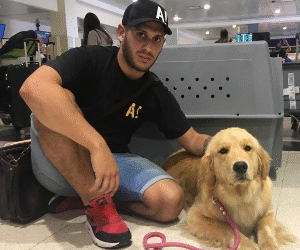
Marly crossed borders with Animal Cargo
Marly crossed borders with Animal CargoWhen a pet travels, their well-being is the...

Essential Tips for Traveling with Your Pet by Car
Essential Tips for Traveling with Your Pet by CarRaveling with our pets can be an...
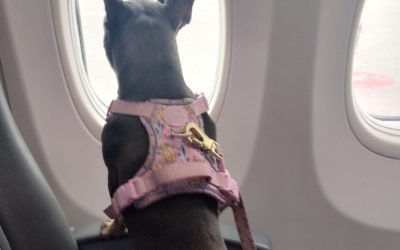
Feeding and Care During Air Travel with Your Pet
Feeding and Care During Air Travel with Your PetEnsuring that your pets are...

New Pet-Friendly Area at Aeroparque
New Pet-Friendly Area at AeroparqueNow your furry friends can enjoy the airport...
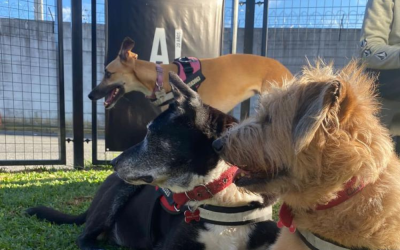
New Pet-Friendly Area at Ezeiza Airport
New Pet-Friendly Area at Ezeiza AirportOur airport now features two exclusive areas...