

Pet passport: what is it, in which countries is it used, and how to obtain it?
Pet Passport Guide for International Travel
Traveling with your pet to another country requires meticulous planning, and one of the most important aspects is ensuring that your furry companion meets the health and documentation requirements of the destination country.
The pet passport is a document that facilitates this process in many countries, especially within the European Union. But what exactly is it, and how can you obtain one? We explain it step by step.
What is a pet passport?
It is an official document that certifies that your pet meets the necessary health regulations to travel between countries. It includes key information such as:
Identification details
Pet identification (name, breed, age, color).
Owner information
Owner’s details.
Microchip data
Microchip number.
Health records
Vaccination history (especially against rabies).
Antiparasitic treatments and other medical observations.
In which countries is the pet passport used?
European Union countries
This document is widely used in European Union countries, allowing dogs, cats, and ferrets to travel between them without the need for quarantine or additional requirements (as long as the passport is in order).
Non-EU countries
Outside the EU, many countries do not recognize this passport and require other types of documentation, such as international veterinary certificates. It is essential to verify the specific requirements of the destination country before traveling.
How to obtain a pet passport?
If your pet needs a passport, here are the key steps to process it:
1. Consult an authorized veterinarian
Not all veterinarians can issue this document. You must visit one authorized by the health authorities of your country.
Verification process
Check with your national animal health authority for approved veterinarians.
2. Microchip implantation
Your pet must have an ISO-compliant microchip, as it is the internationally recognized identification method.
Microchip standards
Must comply with ISO standards 11784 and 11785.
3. Rabies vaccination
The rabies vaccine must be up to date and administered after the microchip implantation.
Vaccination timing
Typically requires at least 21 days before travel.
4. Serological tests (if applicable)
Some countries require a rabies antibody titration test to ensure the vaccine has been effective.
Testing laboratories
Must use an EU-approved laboratory for testing.
5. Antiparasitic treatments
Depending on the destination, it may be mandatory to administer treatments against certain parasites within a specific period before travel.
Common requirements
Treatment against tapeworm (Echinococcus) 24-120 hours before entry for some countries.
6. Issuance of the passport
Once the requirements are met, the authorized veterinarian will record all the information in the passport and issue it.
Document verification
Ensure all stamps and signatures are present and correct.
Important considerations before traveling
Lead time
Some procedures, such as the antibody test, can take weeks. It is advisable to start the process well in advance.
Planning timeline
Begin preparations at least 4 months before travel for some destinations.
Specific regulations
Each country has its own rules. Some destinations require quarantines or additional documentation.
Country examples
Australia requires extensive testing and quarantine periods.
Constant updates
Regulations may change over time, so it is always recommended to consult official sources before traveling.
Best practices
Check government websites 1-2 months before departure for updates.
Professional assistance
At Animal Cargo, we understand how complex this process can be, and we are here to help you every step of the way, ensuring your pet travels safely and complies with all international regulations.
Our services include
Document preparation and verification
Travel logistics planning
Custom advice for your destination
Contact information
📩 Need to transport your pet? Contact us, and we’ll advise you.
🔗 Contact us
Hours of operation
Monday-Friday: 9am-6pm
Response time
We typically respond within 24 hours
Note: This article is based on general information and may not cover specific requirements for all countries. It is always recommended to verify the regulations of the destination country before traveling with your pet.
Recent Notes

If your pet is traveling in the cabin: choose the perfect bag with Animal Box
The secret behind the perfect pet carrier for your pet's air travel.If you are...
What is the accompanied pet transport service by plane like?
The secret behind the perfect pet carrier for your pet's air travel.At Animal...

What is the assisted travel service like when flying with your pet?
The secret behind the perfect pet carrier for your pet's air travel.Step by step:...

The secret behind the perfect pet carrier for your pet’s air travel.
The secret behind the perfect pet carrier for your pet's air travel.A trip without...

Behind the goals: The pet transport service chosen by soccer stars
Behind the goals: The pet transport service chosen by soccer starsIn the world of...

Vilma the Goat’s Solidarity Trip
Vilma the Goat's Solidarity TripAt Animal Bus, we know that every trip is more than...

Pet cargo transport vs. accompanied travel: key differences for pet air travel
Pet cargo transport vs. accompanied travel key differences for pet air travelWhen...
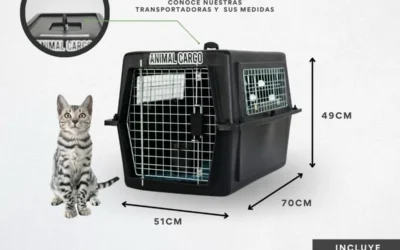
Animal Box 200 pet carrier for cats
Animal Box 200 pet carrier for catsThe safe choice for air travel Planning...
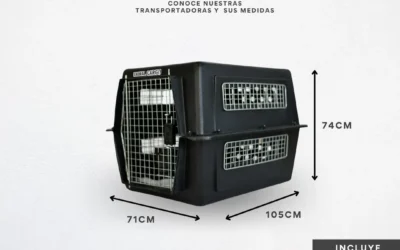
Special pet carriers for brachycephalic breeds
Special pet carriers for brachycephalic breedsAt Animal Cargo, we design and...

Preparing your pet for air travel with proper carrier acclimation
Preparing your pet for air travel with proper carrier acclimationTraveling with...

Feline pheromones: a helpful ally for a stress-free journey
Feline pheromones: a helpful ally for a stress-free journeyTraveling with cats can...

Complete Guide to Getting Your Cat Used to the Carrier Before Traveling
Complete guide to getting your cat used to the carrier before travelingPreparing a...
How to Choose the Ideal Carrier for Your Pet
How to Choose the Ideal Carrier for Your PetChoosing the right carrier for your pet...

Why Sedation Is Not Recommended for Pets During Air Travel
Why Sedation Is Not Recommended for Pets During Air TravelSedating pets before a...

Risks to Assess When Transporting Pets: A Complete Guide for Owners
Risks to Assess When Transporting Pets: A Complete Guide for OwnersTransporting...
From Arrival at the Airport to Takeoff: What Is the Boarding Process for an Animal on a Cargo Flight?
From Arrival at the Airport to Takeoff: What Is the Boarding Process for an Animal...
Traveling with Brachycephalic Dog Breeds: Precautions and Recommendations
Traveling with Brachycephalic Dog Breeds: Precautions and RecommendationsSafe Air...
Marly crossed borders with Animal Cargo
Marly crossed borders with Animal CargoWhen a pet travels, their well-being is the...

Essential Tips for Traveling with Your Pet by Car
Essential Tips for Traveling with Your Pet by CarRaveling with our pets can be an...
Feeding and Care During Air Travel with Your Pet
Feeding and Care During Air Travel with Your PetEnsuring that your pets are...

New Pet-Friendly Area at Aeroparque
New Pet-Friendly Area at AeroparqueNow your furry friends can enjoy the airport...

New Pet-Friendly Area at Ezeiza Airport
New Pet-Friendly Area at Ezeiza AirportOur airport now features two exclusive areas...