

From Arrival at the Airport to Takeoff: What Is the Boarding Process for an Animal on a Cargo Flight?
Animal Transport via Cargo Flights: A Step-by-Step Safety Guide
When it comes to transporting animals via cargo flights, every detail matters to ensure their safety and well-being. From airport arrival to takeoff, the boarding process follows strict protocols to guarantee a smooth and secure journey. Below is a step-by-step breakdown of the procedure.
Pre-Travel Preparation
Before the flight date, it’s essential to meet all necessary requirements for the animal’s transport:
Documentation
Health certificate issued by a veterinarian, up-to-date vaccination records, and permits based on the destination country.
Approved Crate
Must comply with IATA (International Air Transport Association) regulations and provide sufficient comfort for the animal.
Pre-Travel Acclimation
It’s recommended that pets spend time in their crate in the days leading up to the trip to reduce stress.
Airport Arrival & Security Check
Owners or handlers must arrive at the airport well in advance—typically 3 to 4 hours before the flight. At this stage:
Document Verification
The animal’s documentation is verified.
Crate Inspection
The crate is inspected to ensure it meets safety standards.
Health Check
A physical check is conducted to confirm the animal is in good health.
Transfer to the Cargo Area
Once cleared, the animal is taken to a designated cargo zone, where specialized staff:
Environment Control
Maintain a comfortable and secure environment with regulated temperature and proper ventilation.
Noise Reduction
Minimize loud noises to reduce stress.
Continuous Supervision
Provide continuous supervision until boarding.
Loading into the Aircraft Hold
When it’s time to board, cargo personnel:
Secure Transport
Carefully transport the crate using appropriate equipment.
Proper Placement
Place it in a specialized, pressurized and temperature-controlled cargo hold.
Crate Securing
Secure the crate to prevent sudden movements during the flight.
In-Flight Monitoring
Airlines specializing in animal transport use monitoring systems to track conditions in the hold. Some provide:
Sensor Systems
Temperature and oxygen sensors.
Staff Monitoring
Trained staff who check on animals during long-haul flights.
Arrival & Handover at Destination
Upon landing, the unloading process is just as crucial as boarding:
Priority Unloading
The animal is removed from the hold and transferred to the cargo area.
Final Checks
Required checks are performed before release to the owner or handler.
Quarantine Procedures
For international flights, quarantine may be required depending on the destination country’s regulations.
Conclusion
Air transport for animals via cargo flights is a highly regulated process that prioritizes safety and comfort. By meticulously following each step and complying with all regulations, pets can travel securely to their new destination.
At Animal Cargo, we ensure every journey is a controlled, risk-free experience for the animals we transport.
Recent Notes
If your pet is traveling in the cabin: choose the perfect bag with Animal Box
The secret behind the perfect pet carrier for your pet's air travel.If you are...
What is the accompanied pet transport service by plane like?
The secret behind the perfect pet carrier for your pet's air travel.At Animal...

What is the assisted travel service like when flying with your pet?
The secret behind the perfect pet carrier for your pet's air travel.Step by step:...

The secret behind the perfect pet carrier for your pet’s air travel.
The secret behind the perfect pet carrier for your pet's air travel.A trip without...

Behind the goals: The pet transport service chosen by soccer stars
Behind the goals: The pet transport service chosen by soccer starsIn the world of...
Vilma the Goat’s Solidarity Trip
Vilma the Goat's Solidarity TripAt Animal Bus, we know that every trip is more than...
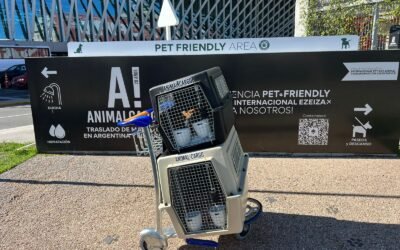
Pet cargo transport vs. accompanied travel: key differences for pet air travel
Pet cargo transport vs. accompanied travel key differences for pet air travelWhen...
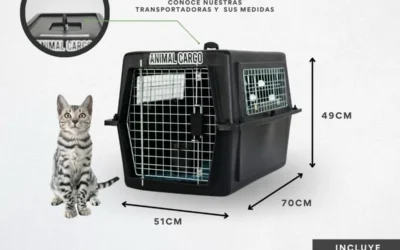
Animal Box 200 pet carrier for cats
Animal Box 200 pet carrier for catsThe safe choice for air travel Planning...
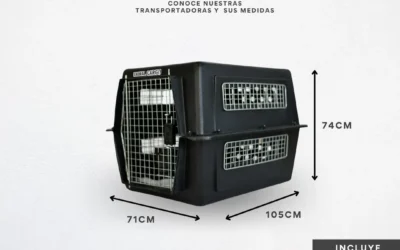
Special pet carriers for brachycephalic breeds
Special pet carriers for brachycephalic breedsAt Animal Cargo, we design and...
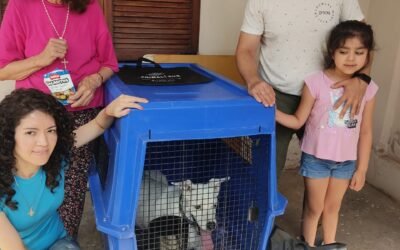
Preparing your pet for air travel with proper carrier acclimation
Preparing your pet for air travel with proper carrier acclimationTraveling with...

Feline pheromones: a helpful ally for a stress-free journey
Feline pheromones: a helpful ally for a stress-free journeyTraveling with cats can...

Complete Guide to Getting Your Cat Used to the Carrier Before Traveling
Complete guide to getting your cat used to the carrier before travelingPreparing a...
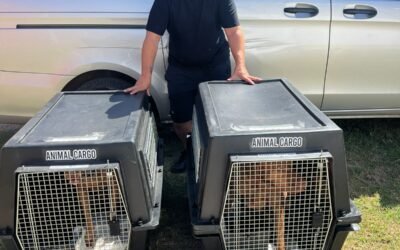
How to Choose the Ideal Carrier for Your Pet
How to Choose the Ideal Carrier for Your PetChoosing the right carrier for your pet...

Why Sedation Is Not Recommended for Pets During Air Travel
Why Sedation Is Not Recommended for Pets During Air TravelSedating pets before a...

Risks to Assess When Transporting Pets: A Complete Guide for Owners
Risks to Assess When Transporting Pets: A Complete Guide for OwnersTransporting...
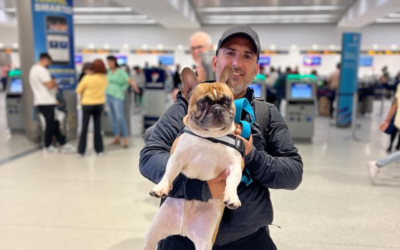
Traveling with Brachycephalic Dog Breeds: Precautions and Recommendations
Traveling with Brachycephalic Dog Breeds: Precautions and RecommendationsSafe Air...

Pet passport: what is it, in which countries is it used, and how to obtain it?
Pet passport: what is it, in which countries is it used, and how to obtain it?Pet...
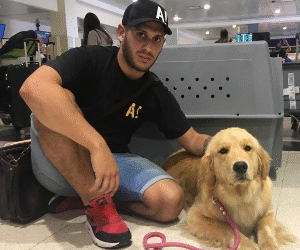
Marly crossed borders with Animal Cargo
Marly crossed borders with Animal CargoWhen a pet travels, their well-being is the...

Essential Tips for Traveling with Your Pet by Car
Essential Tips for Traveling with Your Pet by CarRaveling with our pets can be an...
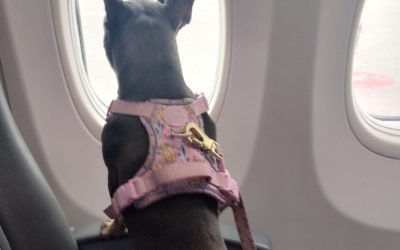
Feeding and Care During Air Travel with Your Pet
Feeding and Care During Air Travel with Your PetEnsuring that your pets are...

New Pet-Friendly Area at Aeroparque
New Pet-Friendly Area at AeroparqueNow your furry friends can enjoy the airport...
New Pet-Friendly Area at Ezeiza Airport
New Pet-Friendly Area at Ezeiza AirportOur airport now features two exclusive areas...