

Complete guide to getting your cat used to the carrier before traveling
Preparing a cat for a trip can be a challenge, especially if they are not used to being in a carrier. Cats are creatures of habit and may feel insecure in new environments or when their routine changes. That’s why dedicating time to a gradual adaptation process is essential to ensure their comfort and reduce stress on the day of the trip. In this article, we share a detailed plan for acclimatization sessions to help your cat feel comfortable and safe in their carrier.
Why is prior adaptation important?
The carrier is an essential tool for transporting pets, but it can also be a source of stress if not introduced properly. Prior adaptation allows your cat to associate the carrier with positive experiences, preventing them from linking it to unpleasant situations like visits to the vet.
Step-by-Step Adaptation Plan
Day 1-2: Introduction to the Carrier
Place it in a familiar area: Put the carrier in a quiet and accessible space where your cat usually spends time.
Make it appealing: Leave the door open and place a soft blanket or an item with your scent inside. You can also add some toys or treats to attract your cat.
Allow free exploration: Don’t force your cat to enter. Let them approach and explore at their own pace. Observe how they interact with the carrier.
Day 3-5: Positive Association
Use positive reinforcement: Whenever your cat approaches or enters the carrier, reward them with kind words, petting, or treats.
Play near the carrier: Play with your cat near the carrier so they associate it with pleasant moments.
Extend time inside: If your cat enters voluntarily, encourage them to stay inside for a few minutes. Keep the door open so they don’t feel trapped.
Day 6-8: Closing the Door
Close it briefly: Once your cat feels comfortable entering, try closing the door for a few seconds while they’re inside.
Increase the time: Gradually extend the time the door remains closed. Speak to your cat in a calm voice to reassure them.
Monitor their reaction: Observe how they react and ensure you don’t rush the process. Every cat has their own pace.
Day 9-12: Travel Simulations
Gentle movements: Lift the carrier for a few seconds and place it back on the floor. Repeat this several times to help your cat get used to movement.
Short trips: Simulate short trips inside the house or in your car. Move the carrier gently and take short trips lasting a few minutes.
Offer rewards: Reinforce with treats or petting after each session.
Day 13-14: Final Preparation
Equipment check: Make sure the carrier is in perfect condition: clean, well-ventilated, and equipped with a blanket or pad.
Relaxing routine: The day before the trip, maintain a calm routine. Avoid sudden changes or situations that might stress your cat.
A final rehearsal: Do one last simulation similar to what will happen on the day of the trip. This will help your cat be prepared for the journey.
Additional Tips for Travel Day
Avoid feeding right before: Feed your cat a few hours before the trip to prevent nausea or discomfort.
Stay calm: Your calmness will influence your cat’s behavior. Speak to them in a soft and warm tone.

Recent Notes

SENASA requirements guide for the international transport of pets
At Animal Cargo, we handle these procedures daily and know that technical precision is the only way to guarantee that the transfer will be carried out without any problems.
If your pet is traveling in the cabin: choose the perfect bag with Animal Box
The secret behind the perfect pet carrier for your pet's air travel.If you are...
What is the accompanied pet transport service by plane like?
The secret behind the perfect pet carrier for your pet's air travel.At Animal...

What is the assisted travel service like when flying with your pet?
The secret behind the perfect pet carrier for your pet's air travel.Step by step:...

The secret behind the perfect pet carrier for your pet’s air travel.
The secret behind the perfect pet carrier for your pet's air travel.A trip without...

Behind the goals: The pet transport service chosen by soccer stars
Behind the goals: The pet transport service chosen by soccer starsIn the world of...
Vilma the Goat’s Solidarity Trip
Vilma the Goat's Solidarity TripAt Animal Bus, we know that every trip is more than...

Pet cargo transport vs. accompanied travel: key differences for pet air travel
Pet cargo transport vs. accompanied travel key differences for pet air travelWhen...
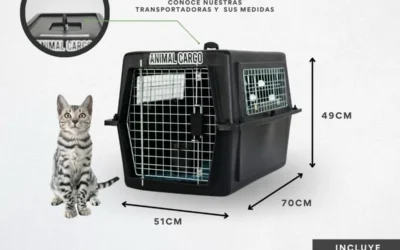
Animal Box 200 pet carrier for cats
Animal Box 200 pet carrier for catsThe safe choice for air travel Planning...
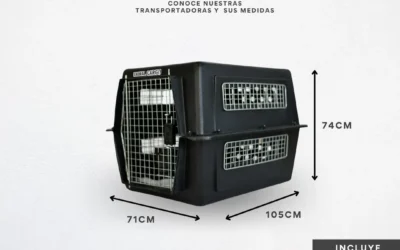
Special pet carriers for brachycephalic breeds
Special pet carriers for brachycephalic breedsAt Animal Cargo, we design and...
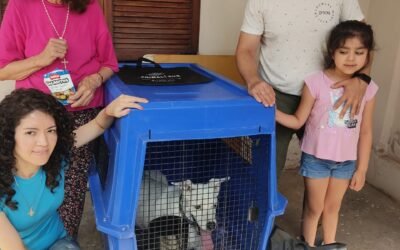
Preparing your pet for air travel with proper carrier acclimation
Preparing your pet for air travel with proper carrier acclimationTraveling with...

Feline pheromones: a helpful ally for a stress-free journey
Feline pheromones: a helpful ally for a stress-free journeyTraveling with cats can...
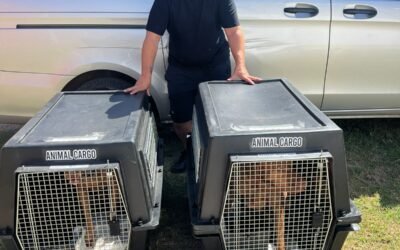
How to Choose the Ideal Carrier for Your Pet
How to Choose the Ideal Carrier for Your PetChoosing the right carrier for your pet...

Why Sedation Is Not Recommended for Pets During Air Travel
Why Sedation Is Not Recommended for Pets During Air TravelSedating pets before a...

Risks to Assess When Transporting Pets: A Complete Guide for Owners
Risks to Assess When Transporting Pets: A Complete Guide for OwnersTransporting...
From Arrival at the Airport to Takeoff: What Is the Boarding Process for an Animal on a Cargo Flight?
From Arrival at the Airport to Takeoff: What Is the Boarding Process for an Animal...
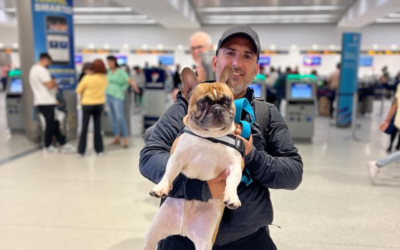
Traveling with Brachycephalic Dog Breeds: Precautions and Recommendations
Traveling with Brachycephalic Dog Breeds: Precautions and RecommendationsSafe Air...

Pet passport: what is it, in which countries is it used, and how to obtain it?
Pet passport: what is it, in which countries is it used, and how to obtain it?Pet...
Marly crossed borders with Animal Cargo
Marly crossed borders with Animal CargoWhen a pet travels, their well-being is the...

Essential Tips for Traveling with Your Pet by Car
Essential Tips for Traveling with Your Pet by CarRaveling with our pets can be an...
Feeding and Care During Air Travel with Your Pet
Feeding and Care During Air Travel with Your PetEnsuring that your pets are...

New Pet-Friendly Area at Aeroparque
New Pet-Friendly Area at AeroparqueNow your furry friends can enjoy the airport...

New Pet-Friendly Area at Ezeiza Airport
New Pet-Friendly Area at Ezeiza AirportOur airport now features two exclusive areas...