
¿Can my dog travel in the airplane cabin or does it have to go in the cargo hold?
To ensure a successful trip without surprises at the airport check-in counter, it’s essential to understand the three options under which an animal can travel on a plane. Here’s how each one works so you know where your best friend will be traveling.
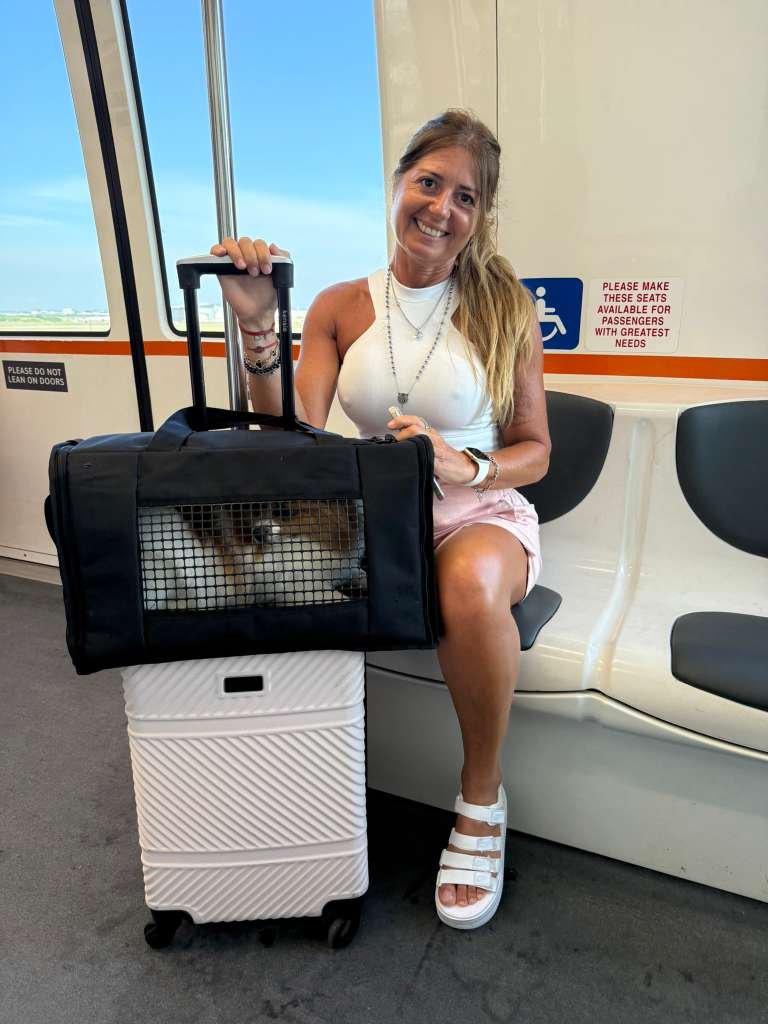
- If it’s a small pet, it can travel in the cabin.
This is the preferred option for owners of small dogs and cats. However, it’s not a decision based solely on your desires, but rather on meeting strict requirements:
Weight and Size: The standard for most airlines is a maximum weight of 8 to 10 kilos, including the weight of the pet and the soft-sided carrier.
The comfort rule: It’s not enough for the dog to be lightweight. If you have a 6-kilo poodle but it’s very tall (for example, 50 cm), it won’t be able to travel in the cabin. The carrier’s dimensions are small because it must fit under the seat in front of you, and the pet must be able to stand and turn around comfortably inside.Destination restrictions: Some countries, by law, do not allow animals in the cabin, requiring them to enter only as manifested cargo.
Classic examples are England and Australia, where exceptions are minimal.
2. If it’s a service dog:
This category is very different from that of a regular pet. This refers to dogs (generally guide dogs) trained and certified to assist people with physical or sensory disabilities.
Requirements: The dog must be accredited by an official entity, and the passenger must present their disability certificate.
In flight: If all conditions are met, the dog travels in the cabin with its owner, outside of a carrier and at no additional cost, positioned at the passenger’s feet.
Emotional support animalThis is where the most changes have occurred in recent years. This category allowed dogs or cats to travel in the cabin to provide psychiatric support to their owners.
Current status: Due to the misuse of this category, the vast majority of airlines no longer accept emotional support animals. Today, almost all treat them like conventional pets: if they do not meet the weight and size requirements for the cabin, they must travel in the cargo hold.
If your dog exceeds the weight limit or the standard carrier is too small, the cargo hold is the only option.
It’s important to overcome any fears: the cargo holds are pressurized, climate-controlled, and designed to ensure your pet’s safety. At Animal Cargo, we always say that if your dog doesn’t meet the requirements to travel in the cabin, the cargo hold is the responsible alternative to guarantee your pet won’t suffer stress due to lack of space.
Contact us now for personalized advice tailored to your trip. At Animal Cargo, we take care of every detail to ensure you and your pet arrive at your destination without any problems.
Animal Cargo Blog

Milei’s dogs from the USA. How did we bring them here?
The story of the transfer of the dogs of, at that time, a media-savvy and exotic Javier Milei.

Behind the goals: The pet transport service chosen by soccer stars
Behind the goals: The pet transport service chosen by soccer starsIn the world of soccer, transfers and constant travel are a reality. But what happens to the furriest members of the family? For more than 20 years, Animal Cargo has specialized in a unique niche market: transporting the pets of…
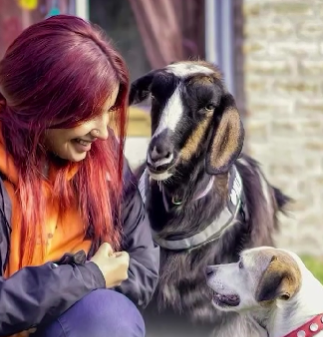
Vilma the Goat’s Solidarity Trip
Vilma the Goat\'s Solidarity TripAt Animal Bus, we know that every trip is more than just a simple transfer. Behind every pet there is a story, a family, and a special bond that we care for with the utmost dedication. Recently, we were part of one of those stories that…
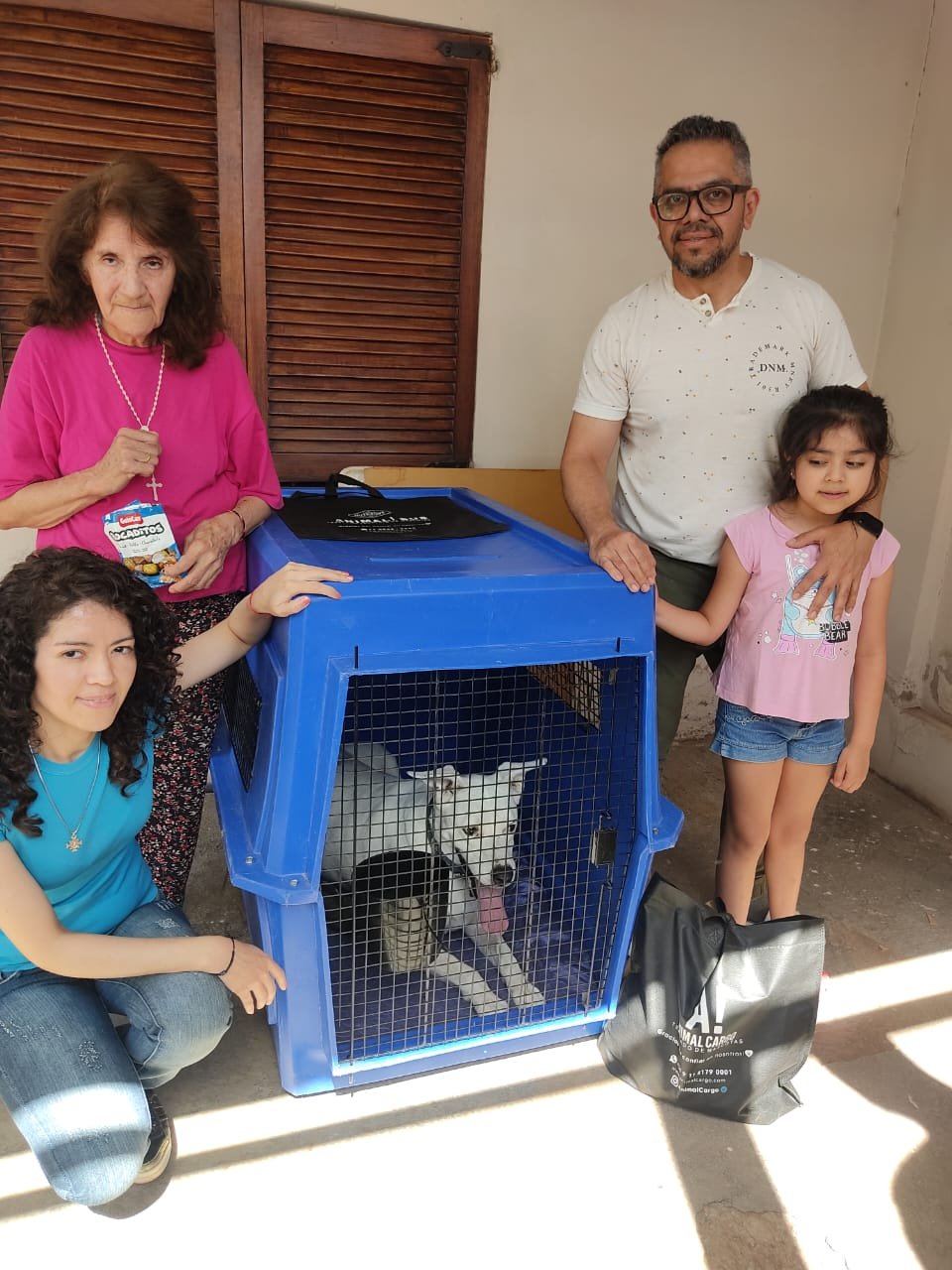
Preparing your pet for air travel with proper carrier acclimation
Preparing your pet for air travel with proper carrier acclimationTraveling with cats requires more than just selecting an IATA pet carrier. Proper cat carrier acclimation is essential to ensure your dog or cat feels safe and comfortable during air travel. This guide explains how to help your pet adapt to…
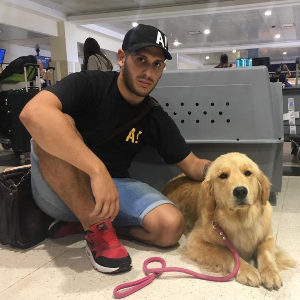
Marly crossed borders with Animal Cargo
Marly crossed borders with Animal CargoWhen a pet travels, their well-being is the top priority. At Animal Cargo, we specialize in safe international relocations, taking care of every detail to ensure they arrive at their destination in the best possible way. Ver esta publicación en Instagram Una publicación compartida por…