

SENASA requirements guide for the international transport of pets
For a dog or cat to leave Argentina, it is mandatory to comply with the regulations of SENASA (National Service for Agrifood Health and Quality). This agency is responsible for certifying that the animal meets the health requirements of the destination country, issuing the essential document for shipment: the International Veterinary Certificate (IVC).
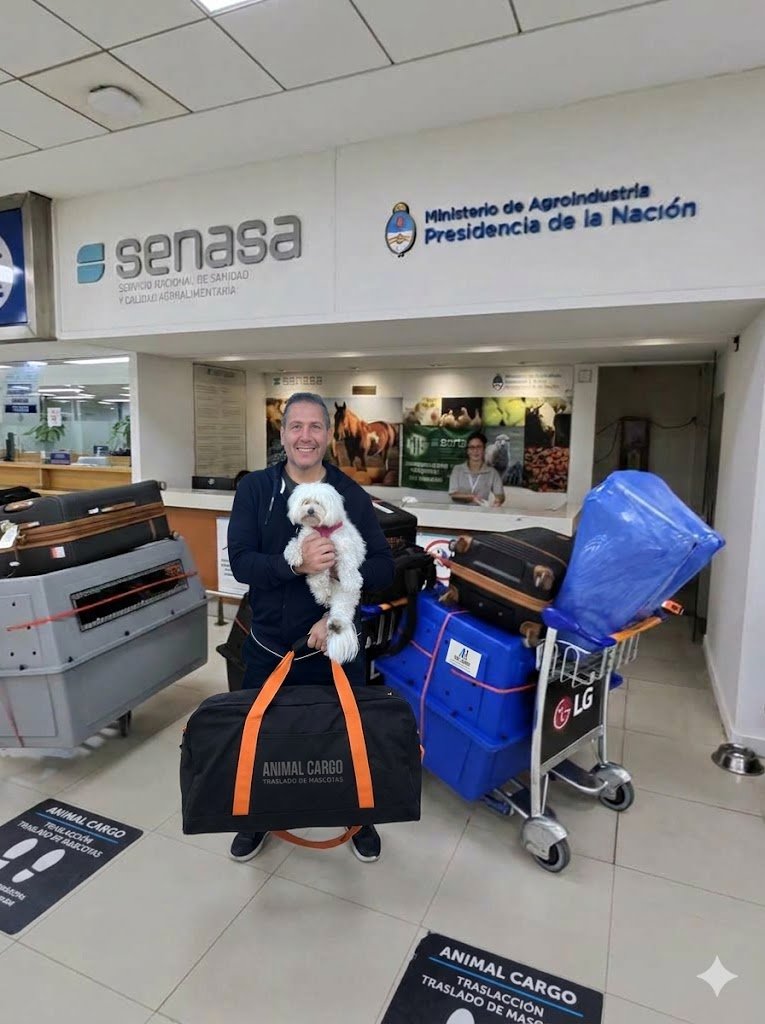
At Animal Cargo, we handle these procedures daily and know that technical precision is the only way to guarantee a smooth transfer. Here are the general requirements and necessary administrative steps:
1. Basic Health Requirements
Before starting the process with SENASA, a licensed private veterinarian must ensure that the pet meets the following requirements:
Rabies Vaccination: It must be up-to-date and have been administered, generally, at least 21 or 30 days before the trip if it is the first dose or if the previous dose has expired.
Health Certificate: Issued by the veterinarian within 10 days prior to obtaining the CVI (Veterinary Health Certificate). This document certifies that the animal is clinically healthy and shows no signs of infectious diseases.
Internal and External Deworming: It must be performed with authorized products and within the specific timeframes required by each country (usually between 5 and 15 days before the trip).
2. Microchip Identification
For destinations such as the European Union, the United Kingdom, and certain countries in Asia and Oceania, microchip identification is mandatory. It is essential that the microchip be compatible with ISO 11784/11785 standards and that it be implanted before or on the same day as the rabies vaccination for the immunization to be legally valid.
3. Specifications by Destination
SENASA validates the specific requirements of each country. Some notable examples are:
Mercosur: This is a standardized procedure that requires up-to-date health and vaccination certificates.
European Union: Requires a specific CVI form and, depending on the health situation in the country of origin, may require a rabies antibody titer test.
United States: Compliance with the new CDC regulations (online form, microchip, and age requirements).
4. Obtaining the CVI (Veterinary Travel Certificate)
The process with SENASA (National Agri-Food Health and Quality Service) is divided into several stages:
1. Data Entry: This is done through SENASA’s pet self-service system.
2. Technical Documentation: Vaccination, health, and deworming certificates issued by the veterinarian are attached.
3. Certificate Issuance: Once verified, SENASA issues the CVI. The validity of this document for travel typically ranges from 10 to 60 days, depending strictly on the regulations of the receiving country.
Professional Support for Your Transport
An error in vaccination dates or an inconsistency in health certificates can result in the pet being prohibited from boarding. At Animal Cargo, we offer comprehensive solutions to avoid these risks:
Technical Assistance: We review and manage all documentation with SENASA to ensure it complies with current regulations.
Accompanied Pet Transport Service: We handle all the necessary paperwork at customs and checkpoints, accompanying your pet throughout the entire process.
Need to verify the specific requirements for a particular destination? Don’t hesitate to contact us for advice on exporting your pet.

Tips for traveling with your dog to Europe. How to choose the right airline for entering the European Union
The ultimate guide on how to choose the right airline for entry into the European Union.
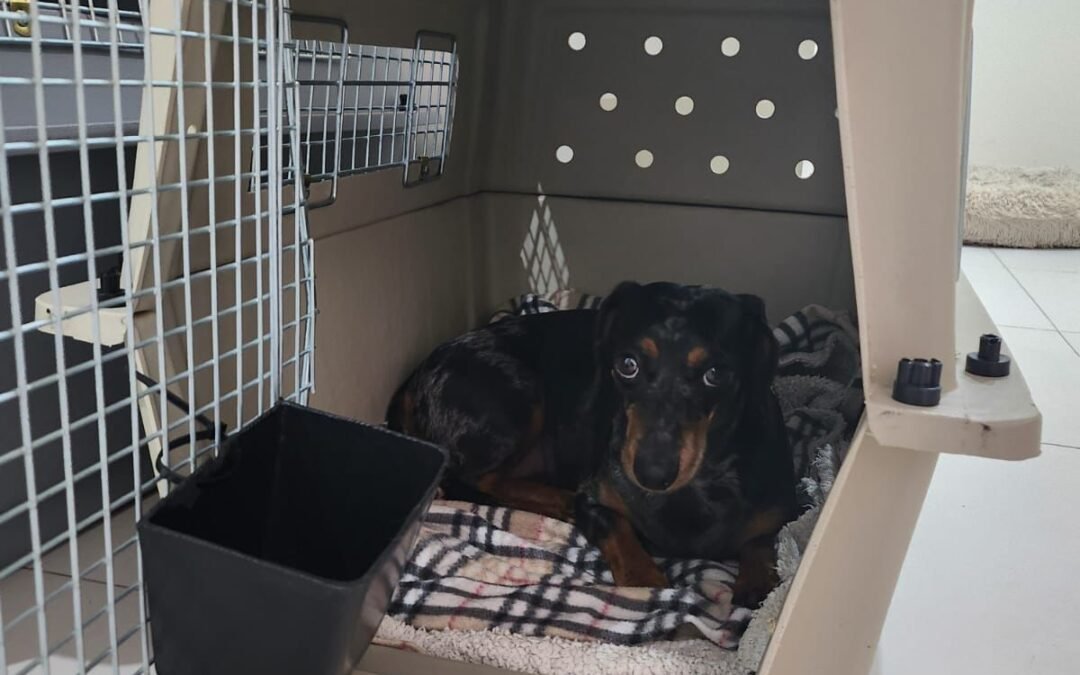
Is it safe to sedate pets for travel? Why is it contraindicated?
An animal that travels lucidly has the reflexes and muscle strength necessary to cushion the movement and maintain balance.
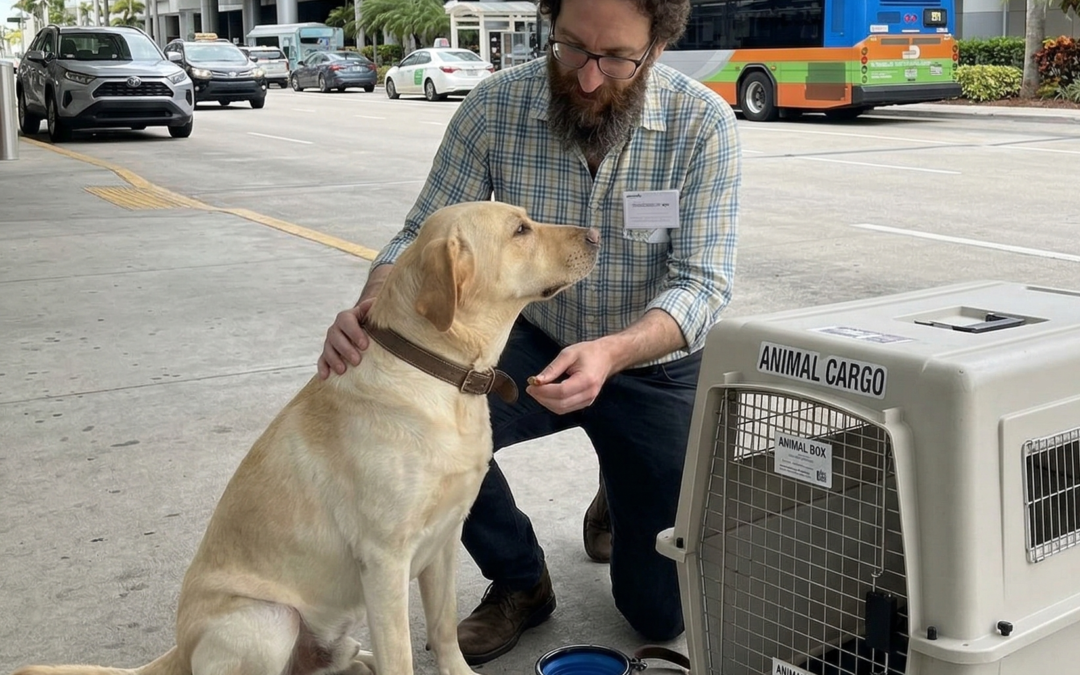
Air travel for large breed dogs: adaptation and tips.
For owners of large dogs—such as Labrador, Golden Retriever, or German Shepherd—the idea of their pet traveling in the cargo hold of an airplane is often one of the biggest sources of anxiety.
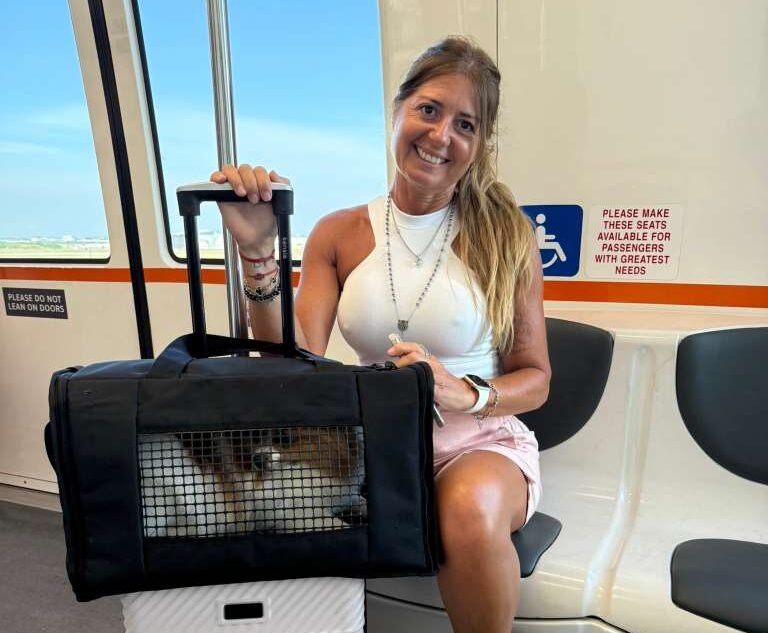
Can my dog travel in the airplane cabin or does it have to go in the cargo hold?
This is one of the most anxiety-inducing questions when planning a flight. The short answer is: it depends on the airline, the destination, and, of course, your pet's characteristics.

Milei’s dogs from the USA. How did we bring them here?
The story of the transfer of the dogs of, at that time, a media-savvy and exotic Javier Milei.

How much does it cost to transport a pet by plane?
Every pet relocation is a unique project. To give you an accurate quote, we analyze your destination, the size of your pet, and the type of travel.

Pet microchips: Identity and travel requirements.
Pet microchips: Identity and travel requirements.The pet microchip is one of the elements that generates the most questions among those planning a pet move. It\'s often confused with a GPS or a universal security system, but the reality is that its main function varies significantly depending on the region of…
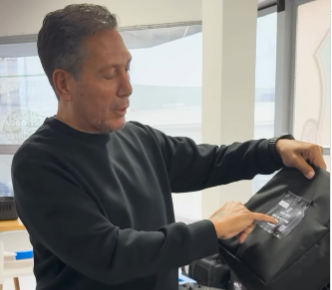
If your pet is traveling in the cabin: choose the perfect bag with Animal Box
The secret behind the perfect pet carrier for your pet\'s air travel.If you are planning a trip and your pet weighs less than 10 kilograms, it is likely that they can fly with you in the cabin of the plane. However, for this trip to be successful, it is essential…

What is the assisted travel service like when flying with your pet?
Step by step: how we help you prepare for the big trip whith your pet.

Behind the goals: The pet transport service chosen by soccer stars
Behind the goals: The pet transport service chosen by soccer starsIn the world of soccer, transfers and constant travel are a reality. But what happens to the furriest members of the family? For more than 20 years, Animal Cargo has specialized in a unique niche market: transporting the pets of…